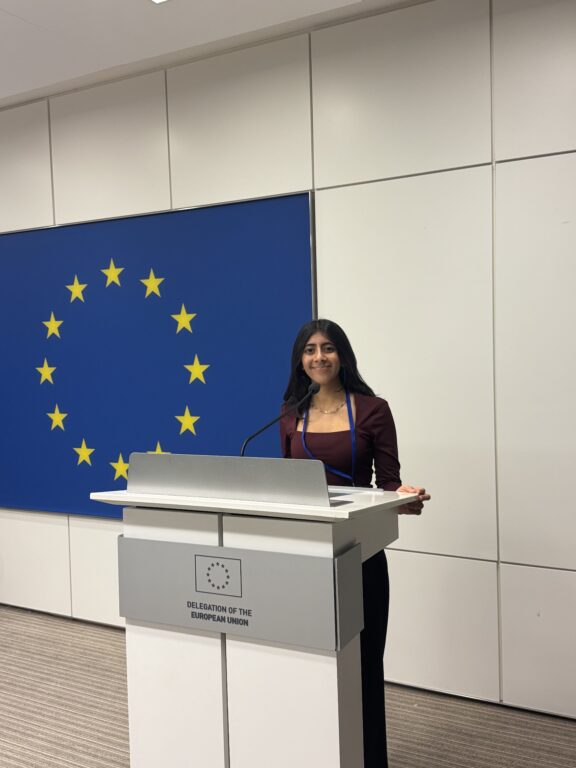

Ronny Qian is a student at Georgetown University. He served as an intern with State Rep. Keith Harris’s office in Philadelphia’s 195th District Office. He also participated in the summer internship and enrichment program sponsored by the World Affairs Council and PennLive
Democracy does not always look like the marble domes on Capitol Hill or the televised presidential debates. Sometimes, it looks like a wooden desk in a modest district office, a ringing phone, and a stack of constituent forms. In the summer before I headed off to Georgetown University in D.C., I interned at State Representative Keith Harris’s office in Philadelphia’s 195th District Office. There I discovered the importance of constituent service — a subtle yet vital lifeline for a healthy democracy.
Each year, district offices across Pennsylvania respond to tens of thousands of constituent’s requests. From tax rebate to public benefits, from housing support to general concerns. These are not faceless numbers, they are families trying to keep their homes, seniors trying to secure their Prescription assistance, and struggling parents trying to obtain nutritious food for their children. This is where representative government becomes tangible: when it meets people in their daily lives.
Our district office was located in a majoritively Black and low income area in Northern Philadelphia where structural barriers are acute. 17% of adults lack a high school diploma and only 28% have a bachelor’s degree or higher. Crime rates are high, two shootings occurred in the three weeks I was at the office. Amid those challenges, our office served as a consistent access point to the government. Working in the office was not just taking calls, we were solving problems. I helped constituents track down their much needed tax rebate that hasn’t arrived for weeks, guided them through the steps of applying for SNAP benefits, and delivered individuals concerned with the current state of public transit to the Representative. We didn’t just sit and wait for people to come to us. We folded pamphlets with infographics and went door to door to every corner of the community to ensure our neighbors knew what services were available.
The most powerful moments, however, were the seemingly small and trivial ones. I recall an elderly woman called the office, anxious and confused with the steps of joining a zoom link for a Pennsylvania Housing Authority meeting. It may have taken ten minutes, but for her, it was the difference between accessing affordable housing or missing the opportunity. Sometimes, constituents just want to sit in and have a little talk. If we had the time, we welcomed them. These conversations were not distractions, they were insights into the needs and wants of our constituents and what our policies must respond to.
Constituent service is not a secondary function of democracy, it is democracy in action. It puts the abstract idea of representative democracy into practice. It ensures those, who are most likely to be left behind – elderly, low income, and digitally disconnected residents – are seen, heard, and supported. This experience reaffirms an central truth: public service must begin with the people, not just with legislatures.
As I prepare for my studies as a public policy major, I carry this logic with me. Policy must be grounded on the realities of the people it serves. If policy does not reach the people, it is not a democratic policy. And if government cannot answer to the people’s calls, then democracy is only symbolic. But when it does respond – through a phone call answered in that modest office, a rebate tracked in draw of that wooden desk, or simply a knock on the door to hand out an infographic – democracy becomes something real, something effective.